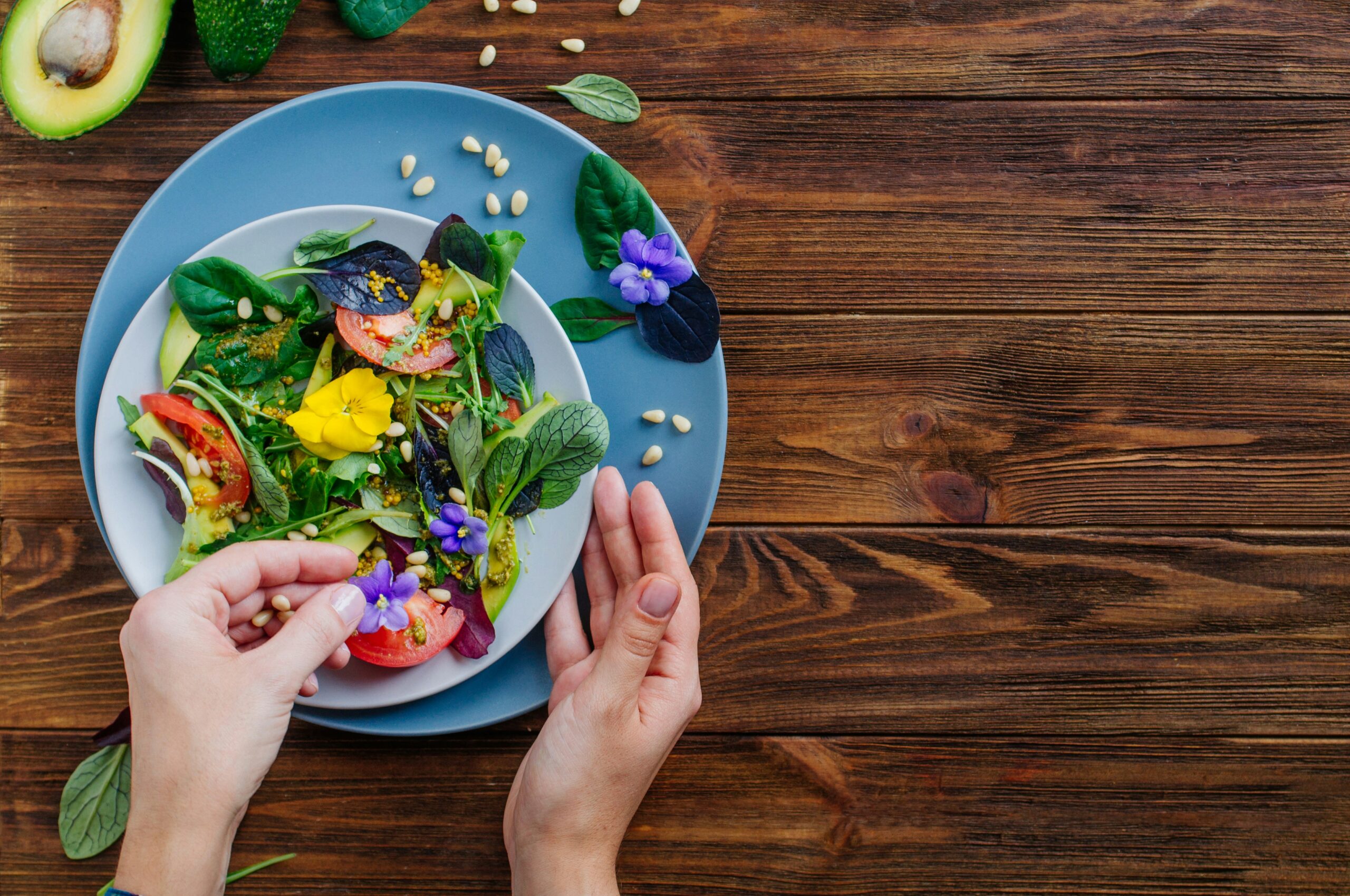
Raw plant nutrition has attracted attention from people who want to eat more fruits, vegetables, nuts, seeds, and other minimally processed foods. Supporters often point to fresh produce as a simple way to increase nutrient intake and reduce reliance on highly processed meals. Interest in a raw plant diet also comes from the belief that cooking always destroys nutrients, although the science is more complicated. When planned carefully, this eating pattern can provide valuable nutrients while encouraging people to choose a wider variety of whole plant foods.
However, eating raw foods is not automatically healthier than eating cooked foods. Cooking can lower certain nutrients, but it can also make other nutrients easier for the body to absorb. In addition, a fully raw diet may create nutritional gaps if someone does not plan meals carefully. Understanding both sides can help people separate useful dietary habits from popular myths.
What Is a Raw Plant-Based Diet?
A raw plant-based diet focuses mainly or entirely on plant foods that have not been cooked at high temperatures. Common choices include fresh fruits, vegetables, leafy greens, nuts, seeds, sprouts, and certain soaked or sprouted grains and legumes.
Some people also prepare foods through blending, juicing, soaking, sprouting, or dehydrating. These preparation methods can create more variety without traditional cooking.
There is no single rule that defines how much food must remain raw. Some people follow a completely raw vegan diet, while others simply make uncooked plant foods a larger part of their daily meals. As a result, nutritional quality can vary greatly from one version of the diet to another.
Nutritional Advantages of Eating More Raw Plants
One of the clearest benefits of raw plant nutrition is the high intake of fruits and vegetables it can encourage. These foods provide vitamins, minerals, fiber, and many naturally occurring plant compounds.
Vitamin C is a good example. Because heat can reduce vitamin C in some foods, eating fruits and vegetables raw can help preserve it. Citrus fruits, strawberries, bell peppers, tomatoes, broccoli, and leafy greens are useful sources.
Raw vegetables and fruits also provide dietary fiber. Fiber supports normal digestion and can help people feel satisfied after eating. Furthermore, fiber-rich foods contribute to a diverse diet because they often replace foods that contain fewer whole-food nutrients.
Plant foods also contain compounds such as carotenoids, flavonoids, and polyphenols. Researchers continue to study how these compounds interact with human health. Rather than focusing on one specific compound, eating a broad range of colorful plant foods is generally a practical approach.
Cooking Does Not Destroy All Nutrients
A common myth says that cooking removes nearly all nutritional value from food. This claim is misleading.
Heat can reduce some heat-sensitive nutrients, especially when foods are cooked for long periods or boiled in large amounts of water. However, cooking does not simply turn nutritious vegetables into nutritionally empty foods.
In fact, cooking can increase the availability of certain nutrients. For example, heat can soften plant cell walls and make some beneficial compounds easier for the body to access. This is one reason a healthy diet does not need to choose between raw and cooked vegetables.
A balanced plant diet can include both. Someone might eat raw spinach, carrots, cucumber, and peppers in a salad at lunch, then enjoy cooked beans, tomatoes, sweet potatoes, and broccoli at dinner. Different preparation methods offer different advantages.
The Enzyme Myth Explained
Another popular claim involves enzymes. Raw-diet advocates sometimes argue that enzymes naturally present in plants are essential for digesting those foods and that cooking makes food difficult to digest because heat deactivates the enzymes.
The human digestive system does not depend on food enzymes to perform most digestion. The body produces digestive enzymes that break down carbohydrates, proteins, and fats. Therefore, the loss of naturally occurring enzymes during cooking does not mean the body suddenly becomes unable to digest cooked food.
Food preparation can actually improve digestibility in many cases. Cooking softens tough plant structures and can make foods easier to chew and digest. It also makes many legumes and grains practical and safe to eat.
This does not make raw foods unnecessary. Instead, it shows why claims about raw plant foods should be considered alongside basic human biology.
Can Raw Foods Improve Digestion?
A diet rich in raw fruits and vegetables may support digestive health largely because it can provide plenty of fiber and water. However, responses vary from person to person.
Suddenly increasing fiber intake can cause bloating, gas, or abdominal discomfort. Someone who previously ate relatively little fiber may find that a large raw salad, several pieces of fruit, nuts, seeds, and raw vegetables in one day are difficult to tolerate.
Gradually increasing fiber may be more comfortable. Drinking enough fluids also matters because fiber interacts with water throughout the digestive process.
Cooking vegetables can sometimes make them easier to tolerate while still providing fiber and important nutrients. Therefore, people do not need to force themselves to eat every vegetable raw to receive nutritional benefits.
Nutrients That Need Special Attention
A fully raw vegan diet requires careful planning. Vitamin B12 deserves particular attention because reliable natural plant sources are limited. People following vegan diets generally need an appropriate fortified source or supplement rather than assuming fruits and vegetables will provide enough.
Other nutrients may also require attention, including vitamin D, iodine, calcium, iron, zinc, protein, and omega-3 fats. The exact concern depends on the foods a person eats, their overall calorie intake, and individual nutritional needs.
Protein is sometimes misunderstood in discussions about plant diets. Plants can provide adequate protein, but restrictive raw diets may make it harder to consume enough calories and a useful variety of protein-rich foods.
Cooked lentils, beans, chickpeas, tofu, and other foods make plant-based protein much easier to include in everyday meals. A strict raw approach can remove some of these practical options.
Is Raw Always Better Than Cooked?
No single preparation method wins in every situation. The nutritional effect of cooking depends on the food, nutrient, cooking method, temperature, and length of preparation.
For example, steaming vegetables briefly is very different from boiling them for a long time and throwing away the cooking water. Likewise, lightly cooking tomatoes may affect their nutrients differently than eating them fresh in a salad.
Instead of treating raw and cooked foods as competitors, it makes more sense to use both. Raw fruits make convenient snacks, while salads add fresh vegetables to meals. Meanwhile, cooked vegetables, whole grains, and legumes can add variety, warmth, digestibility, and nutritional value.
This flexible approach also makes a plant-based eating pattern easier to maintain over time.
Raw Food Safety Still Matters
Natural does not automatically mean safe. Raw foods can carry harmful microorganisms, especially when they have been contaminated during growing, processing, transportation, or preparation.
Fresh produce should be handled carefully and washed appropriately before eating. Sprouts deserve particular attention because the warm and humid conditions used for sprouting can also support bacterial growth.
Some foods should not be treated as suitable simply because they come from plants. Certain beans, for example, require proper preparation and cooking. Food safety remains important regardless of how natural or minimally processed a diet appears.
Weight Loss Is Not Guaranteed
Raw diets are sometimes promoted as an easy route to weight loss. A diet built around fruits and vegetables may have a lower calorie density than one dominated by highly processed foods. Consequently, some people may consume fewer calories without deliberately restricting portions.
Still, weight loss is not guaranteed. Nuts, seeds, dried fruit, nut butters, and similar foods can provide substantial calories even though they are nutritious.
More importantly, losing weight is not proof that a diet is nutritionally complete. A highly restrictive eating pattern could produce weight loss while failing to meet someone’s nutritional needs. Long-term health requires more than a number on the scale.
A Balanced Approach to Raw Plant Foods
For many people, the most practical lesson from raw plant-based eating is not that every meal needs to remain uncooked. Instead, it is that whole fruits, vegetables, nuts, seeds, and leafy greens deserve a regular place in the diet.
Someone can enjoy a smoothie at breakfast, fresh fruit as a snack, and a large salad at lunch without giving up cooked foods. Dinner could include roasted vegetables, beans, whole grains, or other nourishing plant foods.
This approach captures many of the benefits associated with a raw plant diet while allowing greater flexibility. It can also make it easier to meet energy and nutrient needs because people have access to a wider range of foods.
Variety matters as well. Eating the same few raw foods every day is unlikely to provide the nutritional diversity that comes from rotating vegetables, fruits, legumes, grains, nuts, and seeds.
Understanding the Science Instead of the Hype
Raw plant-based eating can encourage several positive habits, particularly greater consumption of fruits, vegetables, fiber-rich foods, nuts, and seeds. Yet the strongest argument for eating these foods is their nutritional value, not the idea that cooking is harmful.
Science does not support the claim that every plant food becomes less nutritious when heated. Some nutrients decrease during cooking, while others become more accessible. Digestion also does not depend on preserving every enzyme naturally present in uncooked food.
Ultimately, a healthy plant diet does not need to follow an all-or-nothing rule. Combining fresh produce with appropriately cooked plant foods can provide nutritional variety and make meals easier to enjoy and sustain. Choosing a broad range of whole plant foods, while paying attention to nutrients that require special planning, offers a more practical foundation than simply assuming raw is always better.