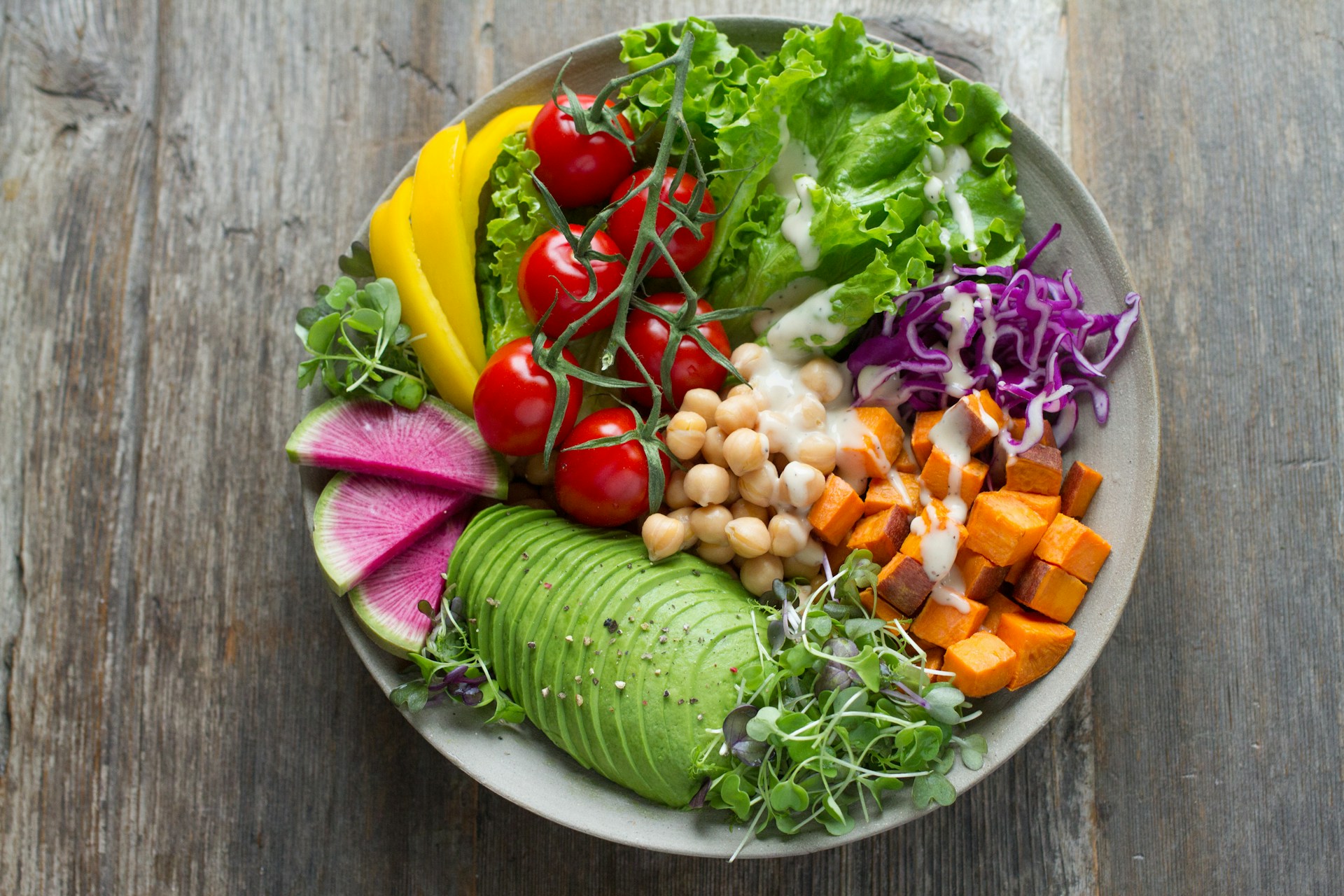
Food choices play an important role in supporting overall wellness, energy, and long-term health. Therefore, many people are exploring diets that focus on natural, minimally processed ingredients. A raw plant-based diet emphasizes fresh fruits, vegetables, nuts, seeds, and other plant foods that provide essential nutrients. Through raw plant nutrition benefits, individuals can discover how whole foods may support healthier habits while understanding the science behind this approach.
A raw plant-based lifestyle focuses on consuming foods in their natural state or prepared with minimal heat. Because of this, supporters believe it helps preserve certain nutrients and encourages greater awareness of food quality. However, understanding the facts requires looking beyond popular claims and exploring both the advantages and limitations of this dietary pattern.
Exploring the Foundation of Raw Plant-Based Eating
A raw plant-based diet centers around foods that come directly from plants without heavy processing. Therefore, common choices include fresh produce, leafy greens, seeds, nuts, sprouts, and plant-based recipes prepared without traditional cooking methods.
Many people choose this approach because plant foods contain important nutrients such as fiber, vitamins, minerals, and antioxidants. Additionally, these foods often provide natural compounds that support different functions within the body. As a result, a well-planned plant-based diet can contribute to a balanced approach to nutrition.
However, a raw diet requires thoughtful planning. While fruits and vegetables offer many benefits, individuals must ensure they receive enough protein, healthy fats, and essential nutrients. Therefore, understanding nutritional needs remains important when following this lifestyle.
Understanding the Nutritional Advantages of Raw Foods
Raw plant foods provide a wide range of nutrients that support overall health. Fresh fruits and vegetables contain vitamins, minerals, and plant compounds that help maintain normal body functions. Therefore, including a variety of colorful plant foods can improve dietary quality.
Moreover, many raw foods contain dietary fiber, which supports digestion and helps create a feeling of fullness. This can be helpful for individuals seeking healthier eating patterns. Additionally, plant-based meals often encourage people to consume more nutrient-rich foods instead of highly processed options.
Furthermore, raw foods contain antioxidants that help protect cells from everyday stress. These natural compounds are found in foods such as berries, leafy greens, and colorful vegetables. As a result, a diverse selection of raw ingredients can support a nutrient-rich diet.
Examining the Role of Enzymes and Food Preparation
One common discussion surrounding raw diets involves food enzymes. Supporters often suggest that eating uncooked foods preserves natural enzymes that may support digestion. Therefore, many raw food enthusiasts prefer preparation methods that avoid high heat.
However, the human body naturally produces digestive enzymes needed to break down food. While some food enzymes may be affected by cooking, the overall impact on health is still an area of ongoing scientific discussion. Because of this, it is important to view enzyme-related claims with careful consideration.
Additionally, cooking does not always reduce nutritional value. In some cases, heat can make certain nutrients easier for the body to absorb. Therefore, a balanced approach may include both raw and properly prepared plant foods depending on individual needs.
Addressing Common Myths About Raw Plant Diets
Raw plant-based diets often receive attention because of strong health claims. However, not every popular belief has strong scientific support. Therefore, separating facts from myths helps people make more informed decisions.
One common myth is that raw diets automatically provide complete nutrition. While plant foods offer many valuable nutrients, a poorly planned raw diet may lack important nutrients such as vitamin B12, iron, calcium, or adequate protein. Additionally, individual nutritional needs vary based on age, activity level, and health goals.
Another misconception is that all cooked foods are unhealthy. In reality, cooking has been part of human nutrition for thousands of years and can improve the digestibility of some foods. As a result, the best approach often depends on personal preferences and nutritional balance.
Creating a Balanced Approach to Plant-Based Nutrition
A successful raw plant-based diet requires variety and careful planning. Therefore, individuals should include different types of fruits, vegetables, nuts, seeds, and other nutrient sources to support overall wellness.
Protein intake is one important consideration. While many plant foods contain protein, combining different sources can help provide a more complete nutritional profile. Moreover, including healthy fats from foods such as avocados, seeds, and nuts can support energy and satisfaction.
Through whole food plant choices, people can build meals that focus on quality ingredients while meeting their nutritional needs. This approach allows individuals to enjoy the benefits of plant-based eating without relying on unrealistic expectations.
Considering the Impact on Digestion and Energy
Many people report feeling increased energy and improved digestion when they introduce more plant foods into their meals. Therefore, a raw plant-based diet may encourage habits that support better food awareness and healthier choices.
The fiber found in many plant foods can support digestive health by promoting regularity. Additionally, meals rich in fruits and vegetables may provide steady sources of nutrients that contribute to daily energy.
However, some individuals may experience challenges when transitioning to a raw diet. Digestive discomfort, difficulty meeting calorie needs, or nutritional gaps can occur if meals are not properly balanced. Because of this, gradual changes and careful planning can create a smoother experience.
Recognizing the Importance of Individual Nutrition Needs
Every person has different nutritional requirements. Therefore, a diet that works well for one individual may not provide the same results for another. Factors such as lifestyle, health conditions, activity levels, and personal goals should influence dietary decisions.
Additionally, people with specific nutritional concerns may benefit from professional guidance when making major dietary changes. This can help ensure they receive essential nutrients while following their preferred eating style.
Furthermore, flexibility often leads to better long-term success. Instead of focusing on strict rules, individuals can create eating patterns that support both health and enjoyment.
Building a Sustainable Relationship With Food
A healthy diet involves more than choosing specific foods. It also includes developing a positive relationship with eating and understanding personal needs. Therefore, a raw plant-based lifestyle can be valuable when approached with balance and awareness.
Through plant-based wellness strategies, individuals can explore nutrient-rich foods while creating habits that support long-term health. This approach encourages people to focus on food quality, mindful choices, and sustainable practices.
Ultimately, the science behind raw plant-based diets shows both potential benefits and important considerations. When people understand the advantages, limitations, and nutritional requirements, they can make choices that support their unique wellness goals. A thoughtful approach allows plant-based eating to become a practical part of a healthy lifestyle.