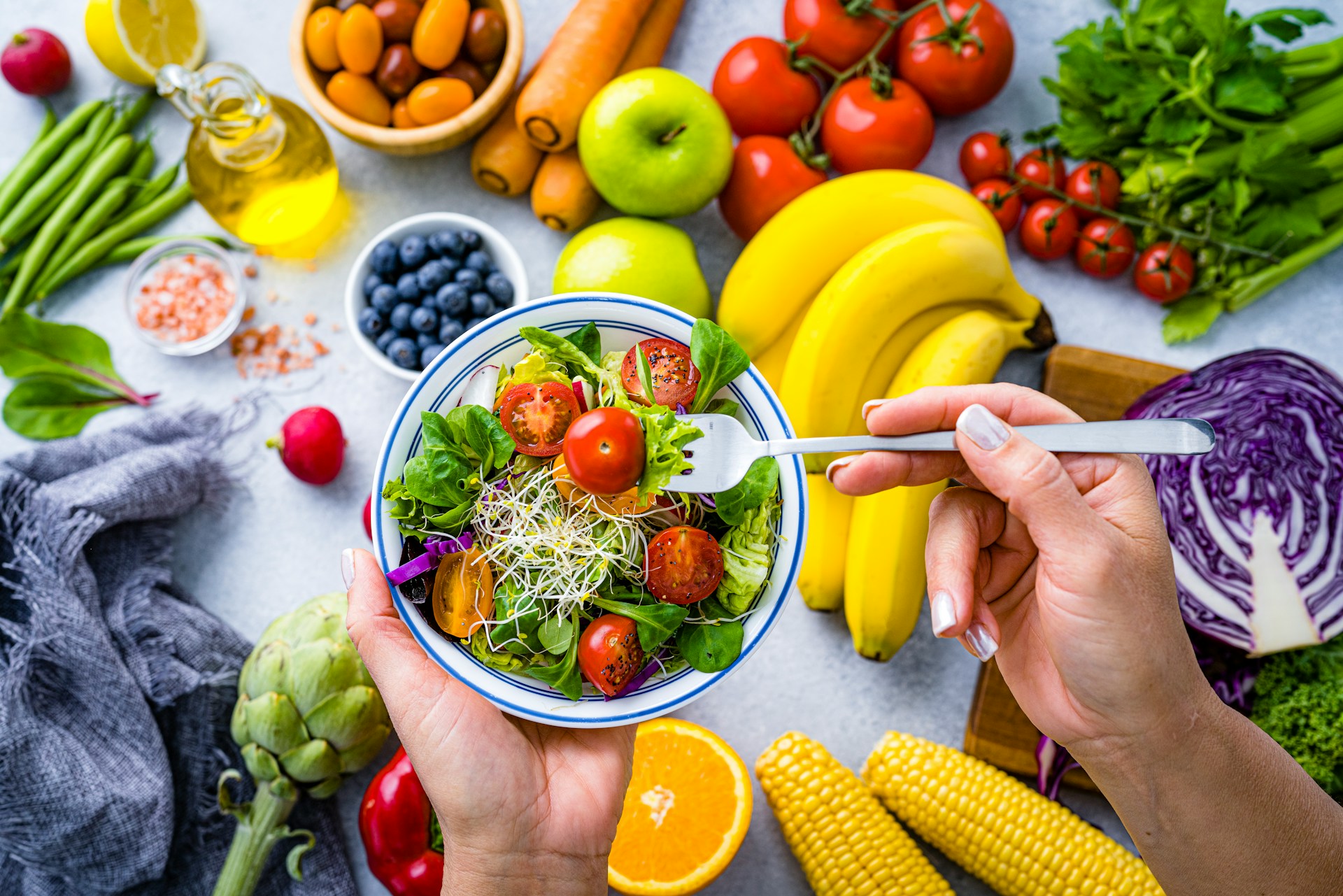
Eating raw and plant-based foods has attracted attention from people seeking simpler, nutrient-rich diets. Research on a raw plant-based diet shows both promising benefits and important limitations. Fresh plant foods can supply fiber, vitamins, minerals, and protective compounds. Strict raw eating can also make nutrients harder to obtain. The strongest evidence supports eating more whole plant foods, rather than assuming uncooked food is always healthier.
What a Raw Plant-Based Diet Typically Includes
A raw plant-based diet usually centers on foods that receive little or no heat. Common choices include fresh produce, soaked nuts, seeds, sprouted grains, legumes, and blended foods. Some people also use foods dehydrated at low temperatures. Because it excludes animal products, it overlaps with vegan eating. Yet its focus on uncooked preparation makes nutritional planning more demanding.
This approach often reduces highly processed foods and increases produce intake. That shift can improve diet quality. Still, raw diets vary greatly. A fruit-heavy menu provides different nutrients than one built around vegetables, seeds, legumes, and fortified foods. Therefore, diet quality depends on variety, balance, and careful food selection.
Research on Nutrient Density and Plant Foods
Whole plant foods are rich in fiber, potassium, folate, vitamin C, carotenoids, and many phytochemicals. These compounds support functions and may protect long-term health. Raw vegetables and fruits can preserve heat-sensitive nutrients, especially vitamin C. They also provide water and bulk, supporting fullness and hydration.
However, cooking does not simply destroy nutrition. Heat can improve the availability of some beneficial compounds. Cooked tomatoes, for example, can provide more accessible lycopene. Cooking carrots can also improve carotenoid availability. Meanwhile, heat makes many legumes and grains safer and easier to digest. Research therefore favors mixed preparation rather than treating raw food as universally superior.
Possible Effects on Weight and Heart Health
Plant-based eating patterns often contain less saturated fat and more fiber than typical Western diets. Studies often associate these patterns with healthier weight and cardiovascular markers. People following very high-raw diets may also consume fewer calories because many raw foods have low energy density. That can support weight loss when needed.
Still, very low-calorie intake can become a problem. Some strict raw eaters may struggle to maintain weight or adequate energy. Research has also reported concerns about menstrual changes among some people following highly restrictive raw diets. Therefore, weight loss does not prove a diet is nutritionally complete. Sustainable health requires adequate calories, protein, fats, and micronutrients.
Digestive Benefits and Common Challenges
High-fiber foods can support bowel regularity and feed beneficial gut microbes. Plant foods also provide fermentable carbohydrates that influence the gut environment. For many people, gradual increases improve digestive health. A diverse plant intake may also support a more varied microbiome.
Yet large amounts of raw fiber can cause bloating, gas, or discomfort. People with sensitive digestion may tolerate cooked vegetables better. Cooking softens plant cell walls and can make certain foods easier to break down. Sprouting and soaking may improve digestibility, but they do not remove every safety concern. Individual tolerance matters when choosing raw versus cooked foods.
Nutrients That Require Extra Attention
A strict raw vegan diet can make several nutrients difficult to obtain reliably. Vitamin B12 is the clearest concern because dependable plant sources are limited. Fortified foods or supplements are usually necessary for vegans. Vitamin D, iodine, calcium, iron, zinc, selenium, and omega-3 fats also deserve attention.
Protein can be adequate, but raw restrictions reduce convenient options. Cooked beans, lentils, tofu, and many fortified products become unavailable in stricter versions. Plant iron is less readily absorbed than iron from animal sources. Pairing iron-rich plants with vitamin C can improve absorption. Meanwhile, calcium-rich greens, seeds, fortified foods, and appropriate supplements may help fill gaps.
Food Safety Matters With Raw Eating
Raw foods can carry bacteria, parasites, or contaminants. Sprouts deserve special caution because warm, humid growing conditions can support bacterial growth. Washing produce reduces surface contamination, but cannot eliminate every risk. People who are pregnant, older, immunocompromised, or very young may need to take extra precautions.
Some foods should not be eaten raw. Certain beans contain compounds that can cause illness unless they are properly cooked. Raw flour and some uncooked grains can also carry harmful microbes. Safe handling, refrigeration, and preparation remain essential. A plant-based diet is healthiest when safety receives the same attention as nutrition.
A Balanced View of Raw Plant-Based Eating
Research does not show that people must eat completely raw to gain the benefits of plant-focused eating. The strongest evidence supports diets rich in vegetables, fruits, legumes, whole grains, nuts, and seeds. Many can be enjoyed raw, while others become safer or more nutritious after cooking.
A practical approach combines fresh foods with thoughtfully cooked plant foods. This balance preserves variety while improving access to protein, minerals, and protective nutrients. People following a strict raw plant-based diet should monitor nutrient intake and consider professional guidance. Ultimately, the healthiest pattern is not defined by temperature alone. It is defined by nutritional adequacy, food safety, variety, and long-term sustainability.