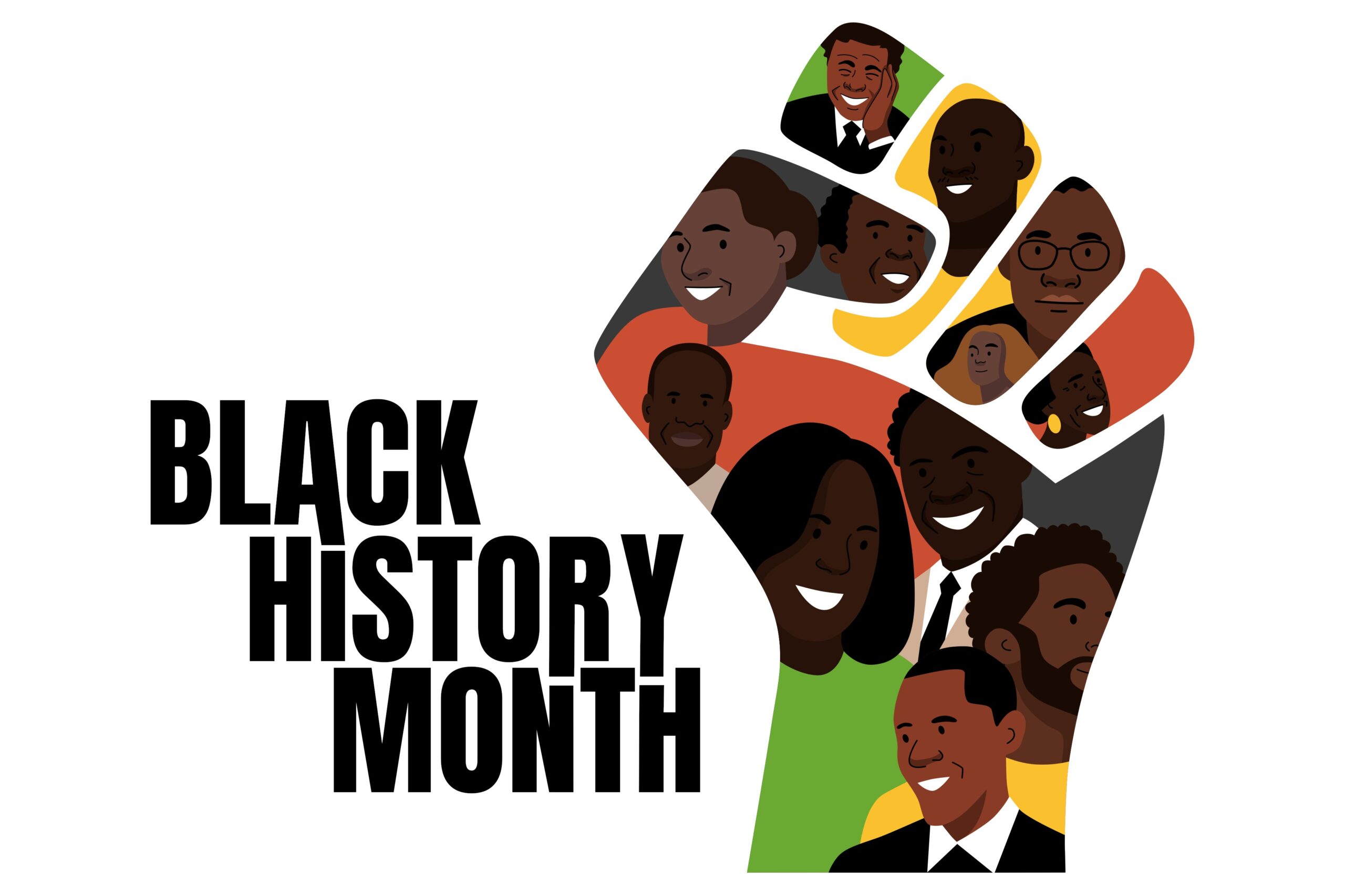
Black History Month is a powerful and necessary time of reflection, recognition, and education that highlights the achievements, resilience, and contributions of Black people throughout history. For generations, the accomplishments of Black leaders, innovators, artists, and activists were overlooked or minimized in mainstream narratives. Black History Month helps correct that imbalance by ensuring that stories of excellence, courage, and progress are acknowledged and celebrated. It serves as a reminder that Black history is not separate from history as a whole—it is an essential part of it.
The significance of Black History Month for Black culture goes beyond historical facts; it strengthens identity, pride, and community. Learning about figures such as Harriet Tubman, Martin Luther King Jr., Viola Desmond, Malcolm X, and countless others inspires confidence and reinforces cultural heritage. It allows younger generations to see themselves reflected in stories of leadership, intelligence, creativity, and strength. This representation fosters empowerment and encourages individuals to pursue their goals despite systemic barriers that may still exist.
Furthermore, Black History Month creates space for meaningful dialogue about both progress and ongoing challenges. While it celebrates achievements in civil rights, arts, science, business, and politics, it also acknowledges the realities of racism and inequality that continue to impact communities. By promoting awareness and understanding, Black History Month encourages unity, accountability, and collective growth. Ultimately, it is not just a month of remembrance, but a call to continue building a future rooted in equality, respect, and cultural pride.