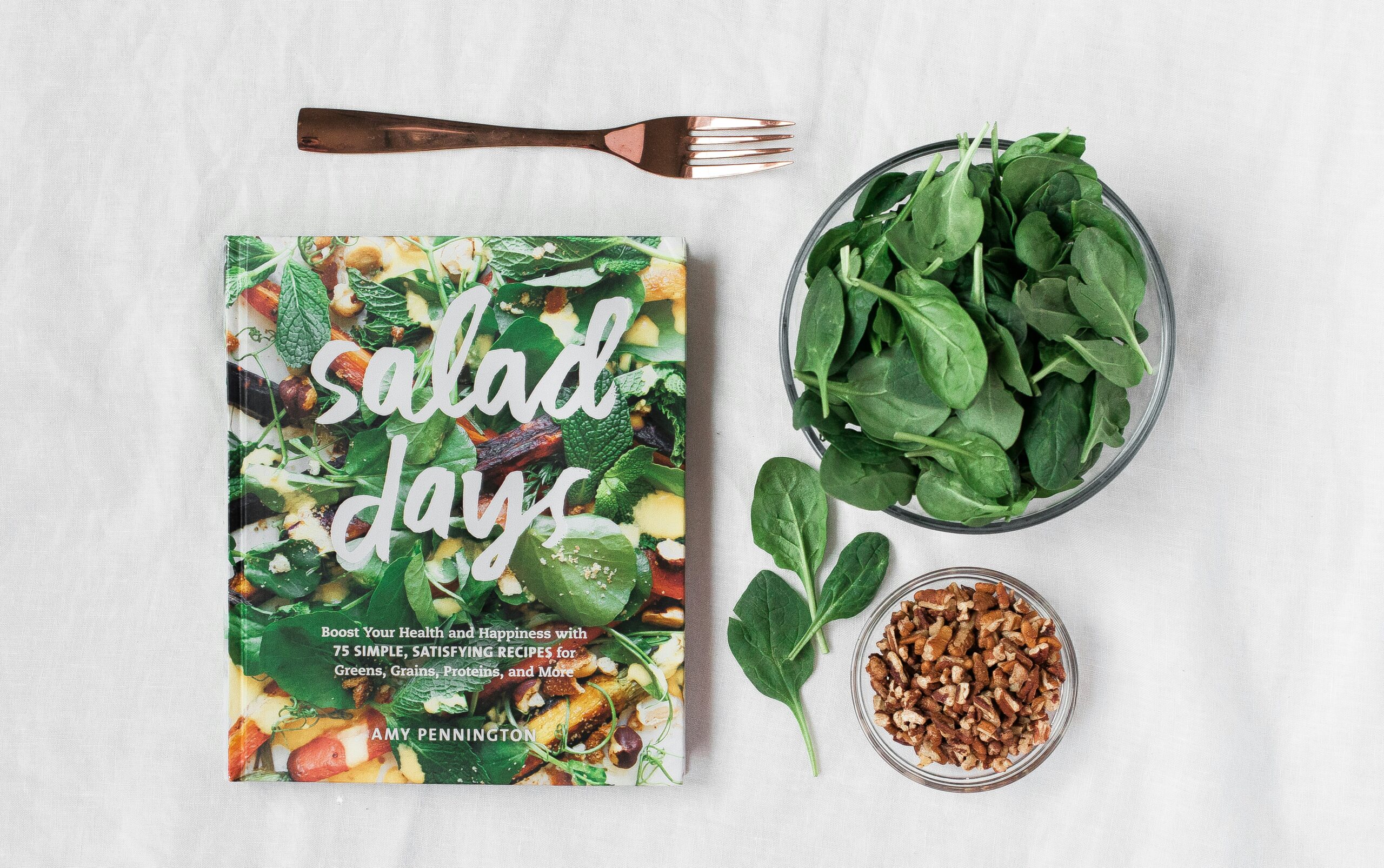
Eating healthy does not have to be complicated. Sometimes, the best way to improve your lifestyle is to return to simple, fresh, and natural foods. A raw plant-based diet focuses on fruits, vegetables, nuts, seeds, and other plant foods that are enjoyed without traditional cooking. These foods provide important nutrients that support digestion, heart health, and overall wellness. Many people are exploring plant-based nutrition because they want to feel healthier, develop better eating habits, and reduce their intake of highly processed foods. By adding more fresh ingredients to everyday meals, you can enjoy different flavors while nourishing your body. However, a balanced approach is essential because raw foods alone may not provide every nutrient your body needs.
Understanding the Basics of a Raw Plant-Based Diet
A raw plant-based diet mainly includes uncooked fruits, vegetables, leafy greens, nuts, seeds, and certain sprouted grains. People following this lifestyle often avoid animal products, processed foods, and traditional cooking methods. Some followers keep food temperatures below approximately 104°F to 118°F because they believe lower temperatures help preserve natural nutrients.
Although certain vitamins can be reduced by cooking, other nutrients become easier for the body to absorb when foods are heated. Therefore, raw foods are not always nutritionally superior to cooked foods. The greatest advantage comes from eating a wide variety of fresh, minimally processed ingredients. A flexible approach that combines raw and cooked plant foods can make it easier to maintain a healthy diet over time.
How Raw Plant Foods Support Healthy Digestion
Digestive health plays an important role in overall wellness. Fresh fruits and vegetables contain dietary fiber, which supports regular bowel movements and helps maintain a healthy digestive system. Foods such as apples, pears, carrots, cucumbers, berries, and leafy greens provide different types of fiber that contribute to gut health.
Fiber also supports beneficial bacteria living in the digestive tract. These bacteria help break down certain food components and contribute to normal digestive function. Increasing fiber intake through fresh plant foods may help people who struggle with irregular bowel movements. However, eating large amounts of raw vegetables too quickly can sometimes cause bloating or discomfort. Introducing these foods gradually and drinking enough water can help the body adjust.
The Role of a Raw Plant-Based Diet in Weight Management
Maintaining a healthy weight often becomes easier when meals include plenty of nutritious, fiber-rich foods. Many raw fruits and vegetables contain a high percentage of water while offering relatively few calories. This combination can help people feel satisfied without consuming excessive energy.
Choosing fresh fruit instead of sugary snacks or eating a colorful vegetable salad instead of a heavily processed meal may support healthier eating habits. Nuts, seeds, and avocados can also provide healthy fats that make meals more satisfying. However, weight management should never involve extreme restriction. People following a strict raw diet need to ensure they consume enough calories, protein, and essential nutrients to maintain strength and energy.
Improving Heart Health With Natural Plant Foods
Heart health is another important reason to include more fruits, vegetables, nuts, and seeds in your daily meals. These foods provide dietary fiber, potassium, antioxidants, and beneficial fats that support cardiovascular function. Walnuts, flaxseeds, chia seeds, berries, citrus fruits, and leafy greens are examples of nutritious plant foods.
Soluble fiber can help lower LDL cholesterol, while potassium contributes to healthy blood pressure regulation. Replacing foods high in saturated fat with healthier plant options may also reduce certain cardiovascular risk factors. However, these benefits are linked to a balanced plant-rich diet rather than raw food preparation alone. Eating both raw and cooked vegetables can provide a wider variety of nutrients that support long-term heart health.
How Antioxidants Help Protect the Body
Fresh fruits and vegetables contain natural compounds called antioxidants. These substances help protect cells from damage associated with oxidative stress. Oxidative stress occurs when unstable molecules called free radicals become more abundant than the body’s protective systems can manage.
Colorful foods such as blueberries, strawberries, carrots, tomatoes, spinach, and oranges contain different antioxidants and vitamins. Eating a variety of these ingredients can help provide the body with protective nutrients. While some antioxidants are sensitive to heat, others become more available after cooking. For example, cooked tomatoes can provide more easily absorbed lycopene than raw tomatoes. This is another reason why combining raw and cooked plant foods can be beneficial.
Boosting Daily Energy With Fresh Fruits and Vegetables
Food provides the energy needed to perform daily activities, exercise, and maintain normal body functions. Fresh fruits contain carbohydrates that the body uses as a major fuel source. Bananas, mangoes, grapes, dates, and apples can provide convenient energy throughout the day.
Pairing fruit with nuts, seeds, or other protein-containing foods can make snacks more satisfying. For example, a smoothie prepared with berries, bananas, fortified plant milk, and almond butter provides carbohydrates, fats, and several vitamins and minerals. However, a strict raw diet can sometimes provide too few calories. People who do not consume enough energy may experience weakness or fatigue. Balanced meals and adequate calorie intake are essential for maintaining consistent energy levels.
Essential Nutrients to Consider on a Raw Plant-Based Diet
Although raw plant foods contain many valuable nutrients, following a fully raw vegan diet requires careful planning. Vitamin B12 deserves particular attention because natural, unfortified plant foods are not reliable sources of this essential vitamin. People avoiding animal products need an appropriate vitamin B12 supplement or reliable fortified food sources.
Protein, calcium, iron, zinc, vitamin D, and omega-3 fatty acids are also important. Nuts, seeds, leafy greens, and certain sprouts provide some of these nutrients, but meeting daily requirements can be challenging when cooked legumes, grains, and other nutrient-rich foods are excluded.
A registered dietitian can help create an eating plan that supports individual needs. This guidance is especially useful for pregnant or breastfeeding people, children, older adults, and individuals with existing medical conditions.
Simple Raw Plant-Based Meals for Everyday Life
Starting a plant-focused lifestyle does not require expensive ingredients or difficult recipes. Simple meals can make healthy eating enjoyable and convenient. Breakfast might include a fresh fruit bowl with strawberries, bananas, blueberries, and a handful of walnuts. A smoothie with spinach, mango, chia seeds, and fortified plant milk is another easy option.
For lunch, a colorful salad made with lettuce, carrots, cucumbers, tomatoes, avocado, and sunflower seeds can provide fiber and healthy fats. Dinner could feature zucchini noodles with a fresh tomato sauce or vegetable lettuce wraps with avocado dressing. If you prefer a flexible plant-based approach, adding cooked lentils, beans, quinoa, or tofu can improve the protein and energy content of these meals.
The Benefits of Growing Your Own Fresh Food
Growing vegetables and herbs at home can strengthen your connection with healthy eating. A small garden provides opportunities to enjoy fresh ingredients while learning how food grows. Tomatoes, lettuce, spinach, mint, basil, and other herbs can be grown in suitable containers or garden spaces.
Home gardening may also encourage physical activity and help people spend more time outdoors. Freshly harvested vegetables can add flavor and variety to everyday meals. However, growing your own produce is not necessary for a healthy diet. Local grocery stores, farmers markets, and seasonal food selections can provide many of the same nutritional benefits.
Important Food Safety Tips for Raw Eating
Food safety is especially important when meals contain many uncooked ingredients. Fresh produce should be rinsed thoroughly under running water before preparation. Kitchen tools, cutting boards, and food preparation surfaces should also be kept clean to reduce the risk of contamination.
Raw sprouts deserve special attention because they can carry harmful bacteria. They pose a greater risk to pregnant people, young children, older adults, and individuals with weakened immune systems. Certain beans also contain naturally occurring toxins when raw or improperly prepared. Following safe preparation and storage practices helps reduce foodborne illness risks.
Building Healthy and Sustainable Eating Habits
A healthy lifestyle depends on consistency rather than strict food rules. Some people enjoy eating mostly raw foods, while others find that combining fresh ingredients with cooked meals works better for their nutritional needs and daily routines.
Planning meals, choosing seasonal produce, and keeping healthy snacks available can make plant-based eating easier. It is also important to listen to your body’s needs and avoid unnecessary dietary restrictions. Enjoying a variety of whole plant foods while meeting your calorie and nutrient requirements is more valuable than trying to make every meal completely raw.
Conclusion: A Fresh Approach to Long-Term Wellness
A raw plant-based diet can encourage healthier eating habits by increasing the amount of fresh fruits, vegetables, nuts, and seeds in everyday meals. These foods provide fiber, antioxidants, vitamins, minerals, and beneficial plant compounds that support overall health. When incorporated into a balanced diet, they can contribute to better digestion, healthy weight management, and cardiovascular wellness.
The most sustainable approach is to focus on variety, proper nutrition, and enjoyable meals rather than strict rules. Whether you choose a fully raw lifestyle or simply add more fresh plant foods to your daily routine, small improvements can create meaningful long-term benefits. By making thoughtful food choices and maintaining nutritional balance, you can enjoy a healthier relationship with food and support your overall well-being.